
Pulling off a proper casino night craps table setup at home is less about buying the fanciest felt and more about keeping the game moving without turning the room into a maths seminar. Most Aussie hosts treat it like a backyard BBQ – plenty of people, a few drinks, and a clear run sheet – so the table needs to fit that rhythm rather than fight it. I’ve spent years watching recruitment ops and remote coordination teams in Darwin and across the eastern states run high-volume hiring drives, and the same principle applies here: if the workflow stutters, people walk. Get the layout, the chips, and the pace right, and the night holds together without anyone needing a referee.
The Practical Layout That Keeps the Game Moving
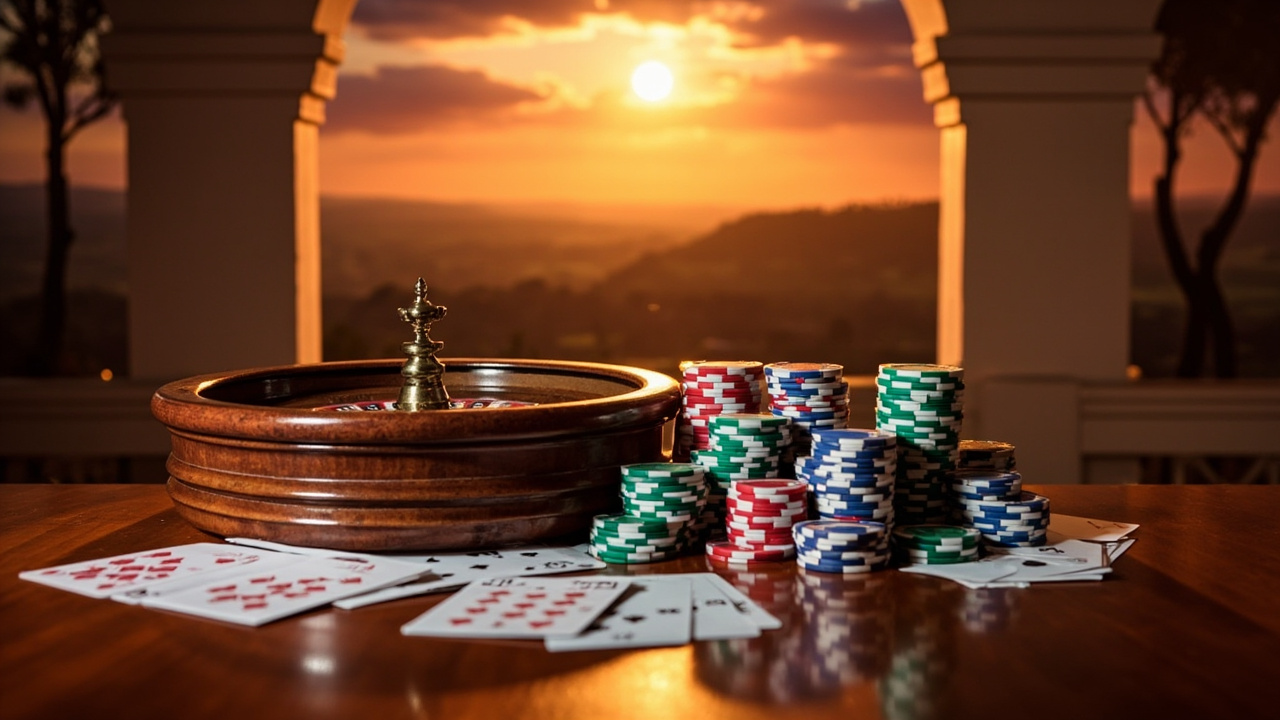
A solid casino night craps table setup starts with the physical footprint, not the props. You want enough room for the table, a clear drop zone for the buy-in, and a side table for drinks so no one’s balancing a schooner on the felt. In my recruitment ops work, I’ve seen ATS workflows collapse because every step required a detour – same thing happens here if players have to hunt for the puck, the dice tray, or the payout sheet. Keep the shooter’s end clear, mark the table edges with low-tack tape if you’re using a temporary board, and set out two stacks of chips per player before the first arvo roll. The trick is to treat the table like a shift schedule: predictable, repeatable, and easy to hand off when someone needs a breather. If you’re hosting a Darwin backyard session where the evening heat lingers and the crowd drifts in late, set the table up before sunset so the first wave of players doesn’t have to wait on a half-finished layout. A clean, uncluttered surface keeps the pace steady and stops the game from turning into a scavenger hunt.
How the Table Shapes What Players Think They Control
The layout does more than guide the chips – it quietly shapes how people read the odds. Offering players choices like which line to bet on creates an illusion of control over random outcomes, and a well-marked table leans into that feeling without pretending it changes the maths. I’ve sat through enough hiring panels to know the difference between a real decision and a comfort move, and craps works the same way: the pass line, the come bets, the place numbers all give the shooter something to point at, but the dice don’t care about the selection. A good casino night craps table setup makes those options visible and easy to explain in a sentence or two, so the game doesn’t stall while someone tries to decode the felt. Keep the betting areas uncluttered, use a simple cheat sheet for the common payouts, and let the table do the teaching. When the layout is readable at a glance, people stay engaged without mistaking a betting choice for a winning strategy.
“I’ve run enough ops calls to know that when a process looks complicated, people either overthink it or opt out,” one industry expert told me over a coffee earlier this week. “With a craps table, if the betting zones are clear and the pace is steady, players settle in without needing a lecture on probability. The table is doing the heavy lifting there, not the host.” That’s the kind of quiet efficiency I look for in any workflow – whether it’s a Darwin-based hiring pipeline or a Saturday night game – and the same rule holds: clear structure keeps people moving without pretending the outcome is anything but chance. sweet bonanza 2500x
Pace, Payouts, and the Host’s Job
A casino night craps table setup only holds up when the host keeps the tempo honest and the payouts tidy. Set a simple buy-in, keep the chip colours consistent, and decide in advance how you’re handling the smaller prop bets so the game doesn’t bog down every few rolls. In remote coordination work, I’ve seen teams lose hours because everyone was tracking the same task in three different places – craps tables go sideways the same way if the host, the stickman, and the players are all working from different payout rules. Write the common payouts on a small card, keep a pen and a tally sheet handy, and rotate the shooter so no one’s stuck at the table for the whole night. If you’re running a busy session where people are drifting between the table and the BBQ, a clear buy-in and a steady rhythm matter more than fancy side bets. The host’s job isn’t to coach the odds; it’s to keep the table readable, the chips counted, and the game moving without anyone feeling rushed or left out.
What to Avoid When You’re Building the Night
A messy casino night craps table setup usually fails in the same places every time: unclear buy-ins, cluttered felt, and a pace that either drags or runs hot. I’ve coordinated enough remote teams to know that when the handoff points are fuzzy, people start improvising – and improvisation at a craps table usually means arguments over payouts or confused bets. Skip the temptation to crowd the table with extra props, keep the drink station off the felt, and don’t let the game stretch past the point where people are rolling out of fatigue rather than fun. If you’re hosting in a Darwin climate where the evening cools slowly and the crowd lingers, plan for a clean close so the table doesn’t turn into a late-night bottleneck. A good setup is boring in the right way: the rules are visible, the chips are counted, and the night ends without anyone needing to untangle a messy payout.
- Puck – the small marker that shows whether the table is in the come-out phase or the point phase.
- Pass line – the main bet that wins on a 7 or 11 on the come-out roll and loses on 2, 3, or 12.
- Point – the number established after the come-out roll that the shooter needs to repeat before a 7 appears.
- Buy-in – the starting stack of chips a player swaps for at the table before placing bets.
- Place bet – a wager on a specific number paying out if that number rolls before a 7.
For anyone hunting a different kind of night, sweet bonanza 2500x sits a long way from a felt table and a pair of dice, but the same rule applies: pick the setup that matches the crowd you’ve actually got, not the one you wish you had.